
mirror bathroom with light
Understanding the 8% Butterfly Valve in Industrial Applications The butterfly valve is a crucial component in various industrial applications, and the 8% butterfly valve is particularly notable for its efficiency and functionality. This type of valve is primarily used for regulating flow, making it a key element in processes that require precise control over fluid movement. What is a Butterfly Valve? A butterfly valve is a flow control device consisting of a disk attached to a rotating shaft. The disk is positioned in the center of the pipe, and when the valve is opened, the disk rotates to a parallel position to allow fluid to flow through. Conversely, when the valve is closed, the disk turns perpendicular to the flow direction, obstructing it. The design of the butterfly valve makes it an attractive option for many applications due to its lightweight structure and ease of operation. The 8% Butterfly Valve Explained The term 8% butterfly valve generally refers to a specific design aspect or operational capability of a butterfly valve. It can indicate the flow capacity or the degree to which the valve opens. In many industrial processes, achieving precise flow control is essential, and the 8% reference often denotes the percentage of the valve's travel that effectively controls fluid flow. This means that when the valve is opened by 8%, it allows for a certain predefined flow rate, making it easier for engineers to design and optimize systems relying on this component. Benefits of Using the 8% Butterfly Valve 8 butterfly valve 1. Efficiency One of the primary advantages of the 8% butterfly valve is its efficiency in managing fluid flow. The ability to control flow in small increments enhances its effectiveness in applications where precision is paramount, such as in chemical processing or water treatment facilities. 2. Space-Saving Design Butterfly valves take up significantly less space than traditional gate or globe valves, making them ideal for applications where space is limited. Their compact design allows for easier installation and can lead to cost savings on piping systems. 3. Reduced Pressure Drop Compared to other valve types, butterfly valves typically offer a lower pressure drop when fully opened. This characteristic can lead to energy savings in pump operations, making them a popular choice in various fluid handling systems. 4. Durability Constructed from high-quality materials, 8% butterfly valves are built to last. They are resistant to wear and corrosion, making them suitable for a wide range of media, from water and steam to various chemicals. 5. Versatility These valves can be used in a multitude of applications, including HVAC systems, food processing, pharmaceuticals, and more. Their ability to handle different flow rates and pressures adds to their appeal across various industries. Conclusion The 8% butterfly valve represents an essential tool for engineers and operators who require reliable and precise flow control in their systems. Its efficiency, compact design, and durability make it a preferred choice in many applications. As industries continue to advance and seek ways to optimize their operations, the importance of such components will only grow. Understanding the operational features and advantages of the 8% butterfly valve can help in making informed decisions when designing or upgrading fluid handling systems. Embracing innovative technologies like the butterfly valve is not just a matter of choice but a strategic move towards enhanced operational efficiency and sustainability.
about
mirror bathroom with light
Understanding the Importance of the Main Shut Off Water Valve Water is a fundamental resource in our daily lives, and managing its flow within our homes is crucial for maintaining both functionality and safety. One of the most essential components of any plumbing system is the main shut off water valve. This valve plays a critical role in regulating water flow, preventing damage, and providing peace of mind for homeowners. The main shut off water valve is typically located where the water supply line enters your home. It acts as a central control point for your entire plumbing system. Being familiar with its location and function is vital for every homeowner. In emergencies, such as a burst pipe or a major leak, being able to quickly turn off the water supply can save thousands of dollars in potential damage and costly repairs. How It Works When the valve is in the on position, water flows freely throughout your home's plumbing system. When it's turned to the off position, water flow is halted, cutting off the supply to all fixtures and appliances dependent on the plumbing system. There are different types of shut off valves, including gate valves and ball valves, but the primary function remains the same. Reasons to Know Your Main Shut Off Valve 1. Emergency Preparedness Knowing how to quickly access and operate your main shut off valve can be invaluable during emergencies. If a pipe bursts or an appliance malfunctions, the first step is often to shut off the water. This minimizes water damage and gives you control over the situation. 2. Maintenance and Repairs Regular maintenance of your plumbing system may require the use of the main shut off valve. Whether you’re replacing a faucet, fixing a toilet leak, or installing a new appliance, you will need to turn off the water supply. Being familiar with the valve helps streamline these processes. 3. Prevention of Water Waste In some cases, homeowners may want to temporarily shut off the water supply to prevent waste, especially if they notice a slight leak . By turning off the main valve, you can limit water usage while you assess the situation and make necessary repairs. main shut off water valve Identifying Common Issues Most shut off valves are designed to last many years; however, wear and tear can lead to failure. Signs that your main shut off valve may be having issues include difficulty in turning the valve, visible rust or corrosion, or water seeping around the valve. If you experience any of these issues, it's advisable to consult a professional plumber. Regular inspections can also help you catch problems before they escalate. Tips for Proper Use 1. Label the Valve If your main shut off valve is in a less visible location, consider labeling it. This can be especially helpful for guests or family members who may not be familiar with your home’s layout. 2. Test the Valve Periodically Just like any mechanism, a shut off valve can seize up over time. It’s wise to turn it on and off occasionally to ensure it is functioning properly. 3. Educate Family Members Make sure that all adults in the household know where the main shut off valve is located and how to use it. In case of emergencies, every second counts. Conclusion In conclusion, the main shut off water valve is a critical part of home plumbing. Understanding its location, function, and the importance of knowing how to operate it are essential for every homeowner. By being prepared, performing regular maintenance, and educating your family, you can ensure that you are ready to handle any plumbing emergencies that may arise. Proper management of this essential valve not only protects your home but also helps conserve one of our planet's most precious resources water.
-

High quality industrial productsagement

High quality industrial products
View Details -

Meet the diverse needs of customers

Meet the diverse needs of customers
View Details -

Strict quality control

Strict quality control
View Details -

Top raw materials

Top raw materials
View Details -

Trusted supplier

Trusted supplier
View Details
Our application


news and information
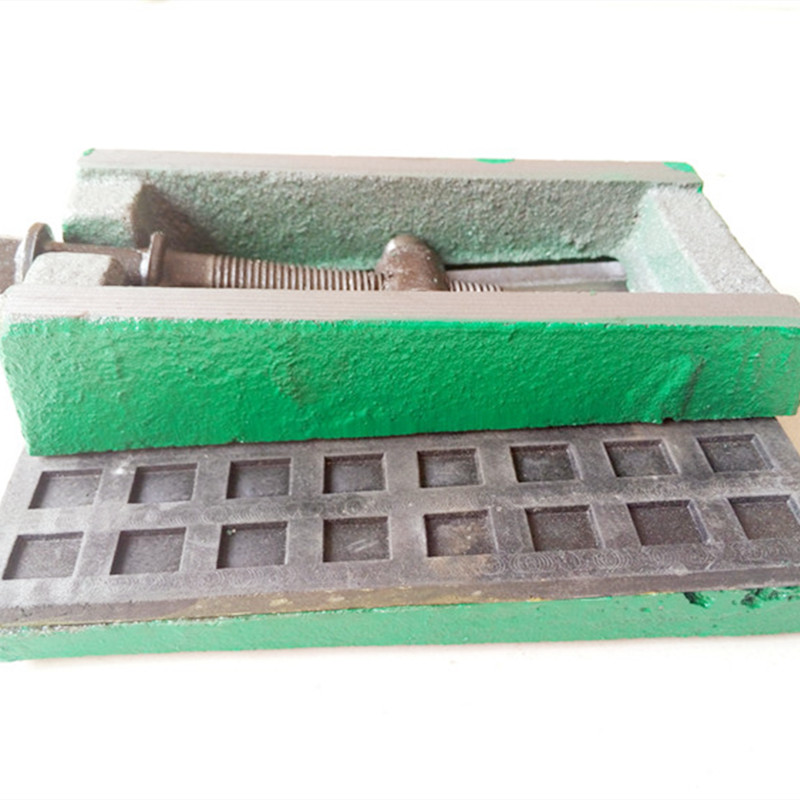
Versatile 4x8 Welding Table for Precision Metalwork and Fabrication Projects
The Versatility of a 4x8 Welding Table In the world of metalworking and fabrication, the importance
valvole ad acqua accese o spente
Valvole dell'Acqua Accese o Spente? Nel mondo moderno, l’acqua è una risorsa preziosa e limitata. La
Wholesale Supply for Valves and Fittings Solutions in Industrial Applications
The Dynamics of Valve Wholesale A Comprehensive Overview In the industrial sector, valves play a cru
 English